There are three ways to grow sales, online or offline. Only three. However, most companies focus on just one—acquiring customers. By ignoring the other two, they’re missing out on revenue opportunities.
So what are the three ways to increase sales?
- Increase the number of customers.
- Increase the average order size.
- Increase the number of repeat purchases.
Table of contents
1. Increase the number of customers
This is what most businesses do and try to get better at.

You do this by solving a real problem, being remarkable, driving relevant traffic (free and paid), boosting conversions, using referral programs, and so on. It’s the most expensive part of increasing sales.
Since this is what I mostly write about on this blog, I’ll move on to the next two ways to increase sales.
2. Increase the average order size
They say that the most profitable question of all time belongs to McDonald’s: “Would you like fries with that?” That question captures the essence of this point.
When you get people to the stage that they’re ready to buy from you, you can ask them to buy more things. There’s much less friction. The reason is that getting customers to the buying point is the hardest part of the sales process.
They need to trust you and believe in the value they’re getting. They need to convince themselves that they need or want it. And they need to believe that it’s the right thing to buy at this moment.
Once they’ve made a conscious decision to give you money, they’ve simultaneously decided to give you their trust. So, in that moment, you’re able to sell them more. Here’s how to do it.
Upsell a product that cost about 60% less
Question: When somebody buys a shirt, should you upsell them a tie, or the whole suit?
The right answer is a “tie.” It’s (usually) cheaper and hence seems like a small thing to add. If you try to upsell something more expensive, you’d counter the same friction as you did with the initial product. (That doesn’t mean it can’t work, just that it’s harder).
The time-tested 60×60 rule says that your customers will buy an upsell 60% percent of the time for up to 60% of the original purchase price. Any upsell you offer must be congruent with the original purchase. When they buy shoes, you offer shoe-care products, not a keychain.
Ever registered a domain name through GoDaddy? Let’s see how many things they’ll try to upsell you on:
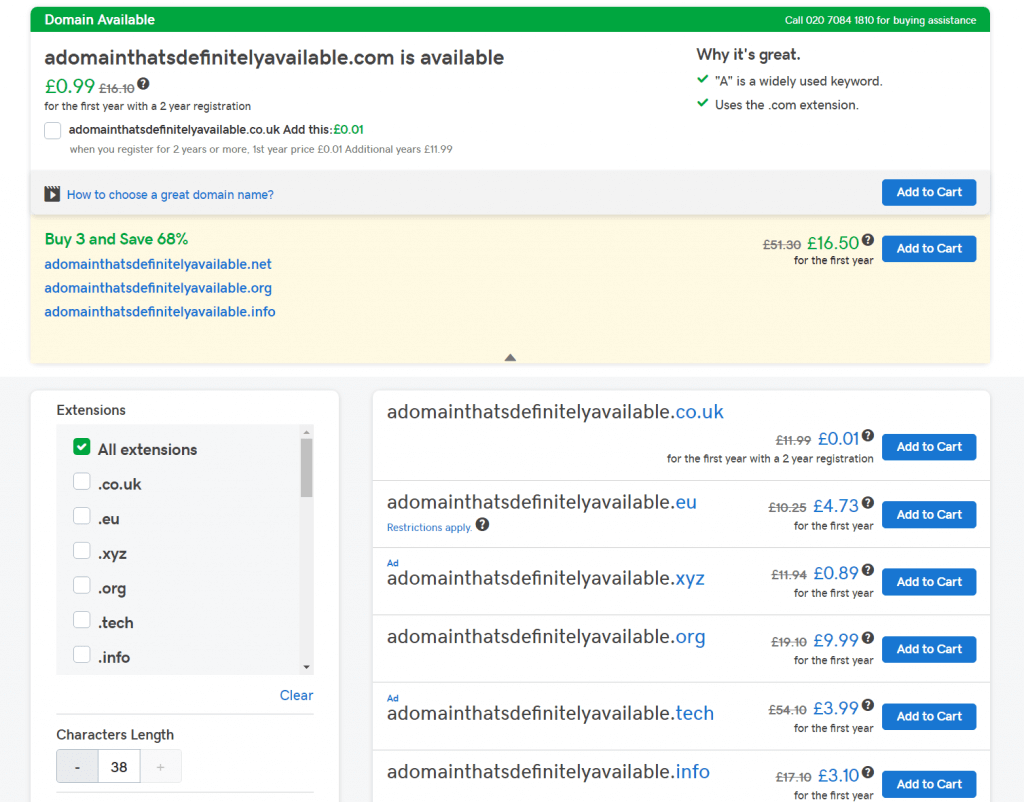
Here’s the list:
- Different extensions (.net, .info, etc.);
- Domains you searched previously;
- “Variations you might consider”;
- Premium domains;
- Country- and region-specific domains;
- “Add 5 more domains and get bulk pricing”;
- Pop-up banner with “Get 3” or “Get 5” additional extensions for a deal;
- Email plan.
Yes, that’s eight attempts to upsell you! GoDaddy is excessive, but it’s been working for them. You should at least try to upsell one thing.
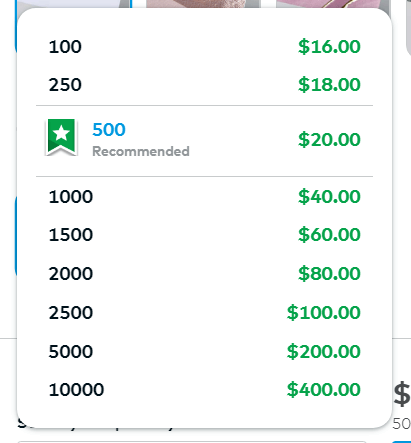
Quantity discount
Buy more, save more! Vistaprint does this:
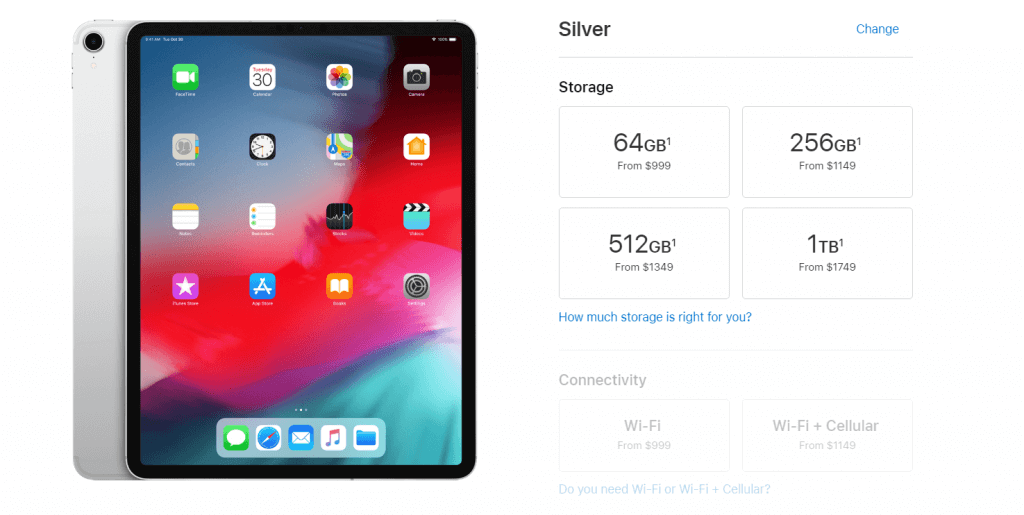
Offer an upgrade
Remind people that for just a little more money, they can get a fancier product. Most people won’t need more than 64 GB of storage for their iPad, but thoughts like “just in case” and “it’s only $150 more” make Apple more money.
Product bundling
Product bundling—offering something to go with the initial product for a special price—is a great way to increase the average order size. Amazon frequently recommends you get a bundle:
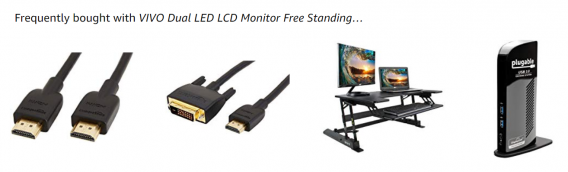
(Incidentally, they also upsell every buyer with the offer of an Amazon credit card.)
I throw marketing seminars each time I go to Europe, and whenever I offer an online marketing course to go with the seminar fee (for some extra money, but a very good deal), around half the people take the offer. Bundling FTW!
Complementary products
“Do you need batteries?” Sometimes you can get the extra sale by reminding customers of a new need that they’ll have because of buying the initial product. This can be an easy sale because it’s rational. It makes sense.
If you buy an LED flashlight on Best Buy, you’re immediately offered batteries to go with it:
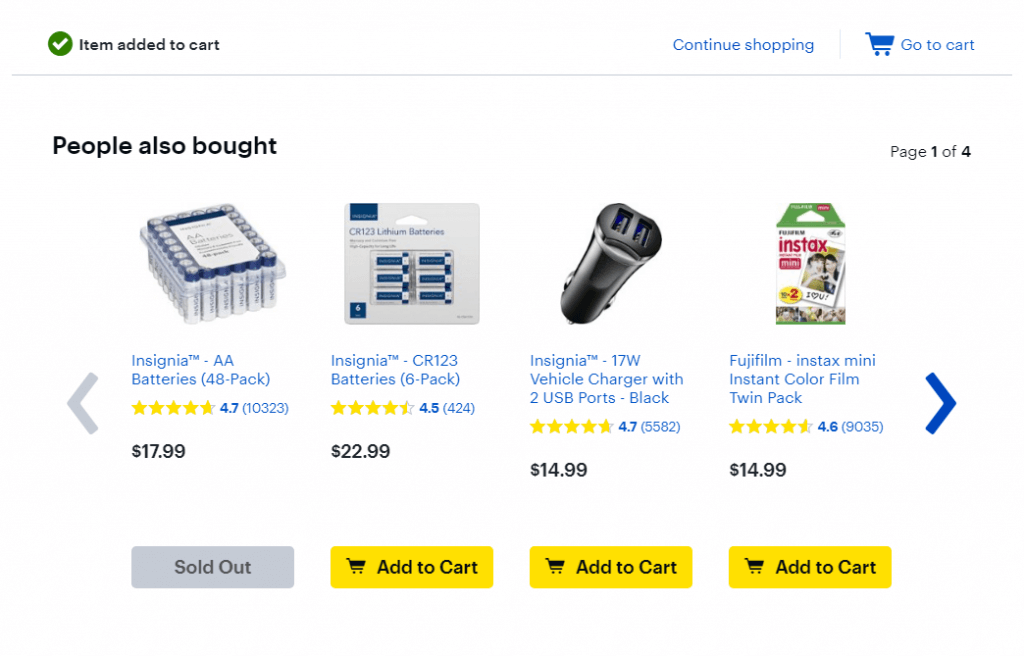
One interesting thing you can do is to tell someone not to buy the complementary product if they don’t need it. This can reduce friction.
If a customer expects to go straight to the checkout but then gets smacked with an upsell, it’s nice to word it in a way that reduces the pressure and lets them feel in control.
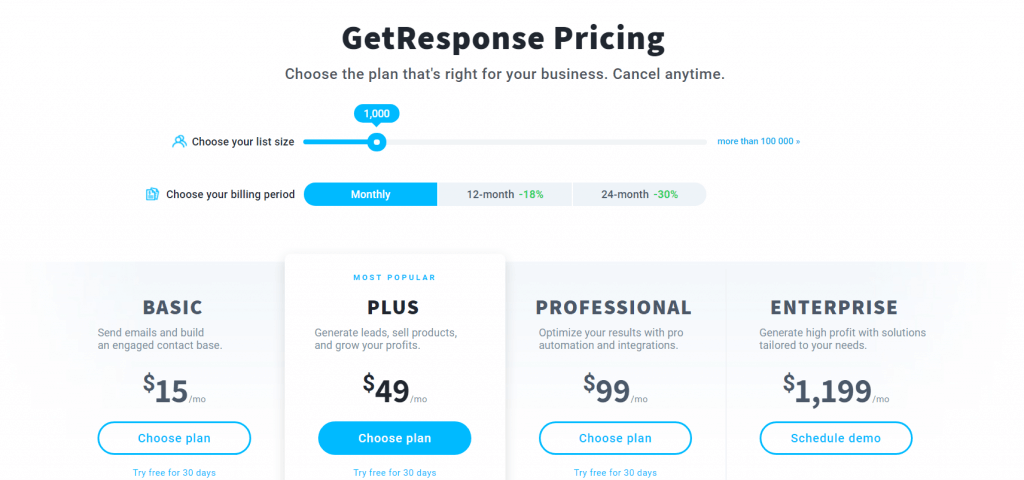
Longer commitment
Charge monthly? Get them to sign up for a longer time period. GetResponse lures with a 18% annual discount:
Extended warranty
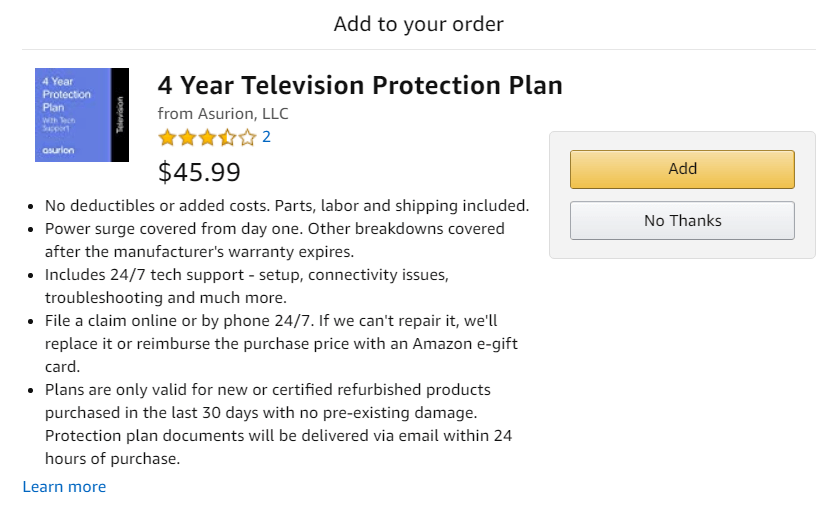
If you’ve ever bought a gadget, you’ve probably been offered an extended warranty—for a price.
Even though, statistically speaking, extended warranties are almost always a bad deal for the buyer, it provides peace of mind. Amazon immediately offers a “Protection Plan” if you add a TV to your cart:
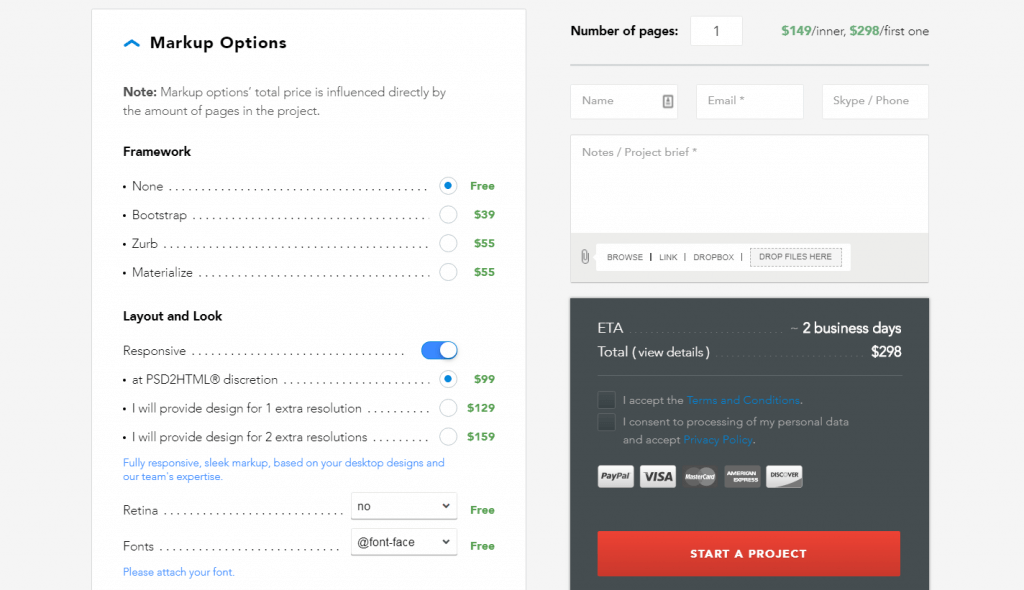
Add-on services
Ever go to Chipotle? You can get a good burrito for a decent price, but they offer to add tasty guacamole (right in front of your eyes) for $1.80 more.
Get customers to add small things to their order for a small fee. They might just add up, if you know what I mean.
Here’s how PSD2HTML does it:
Expedited delivery
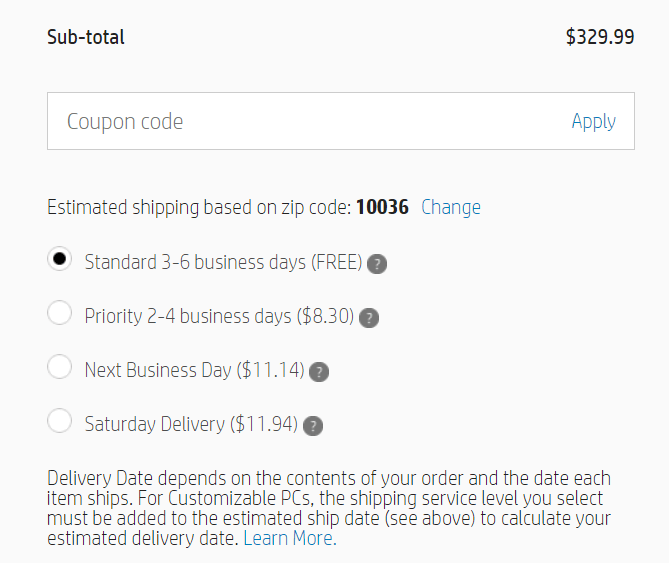
If you sell physical products or do custom work (be it software development or engraving jewelry), you can get people to pay more for faster service.
HP ships your purchases faster if you pony up additional $8.30:
Once you’ve maxed out your options to increase the average order value, it’s time to move on to your third method of increasing sales—getting those same customers to come back again (and again).
3. Increase the number of repeat purchases
You spend a ton to acquire new customers—it’s much cheaper to keep them than to go off finding new ones all the time.
You don’t want to keep all of them—just the profitable ones. First, you’ll have to which ones are costing you, and which ones bring home the bacon. (You may also want to offload some due to the emotional costs of servicing them).
Here are some ways to keep the existing customer buying.
Offer promotions and remind customers what you offer
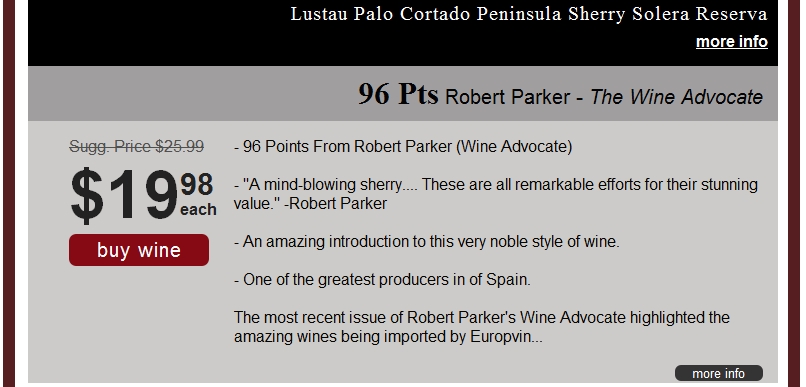
Send targeted follow-up emails to customers offering a related product or service. (You can do this automatically with a good email autoresponder and shopping cart.) Notifying them of deals is also great.
Wine Library is constantly sending me wine offers over email (because I’ve bought before). Every now and then, I’ll take it:
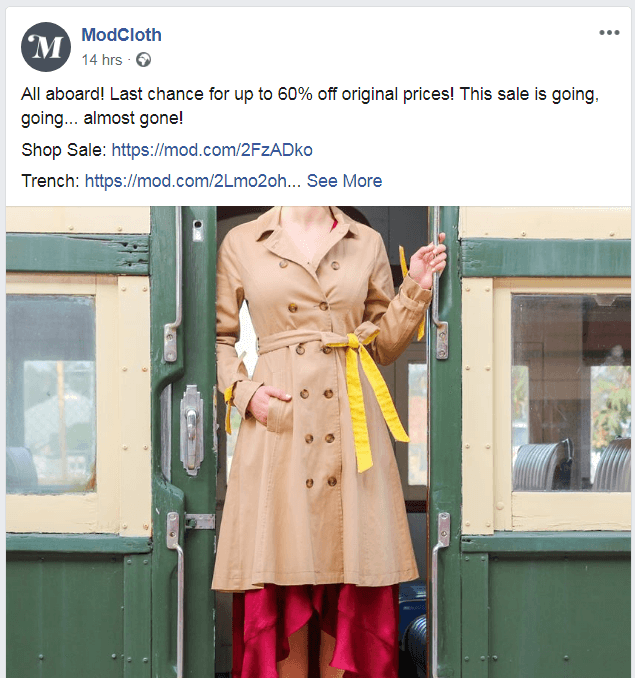
Companies do this with email marketing but also on social media. Get customers to follow you on one of these and offer special deals just for followers.
Here’s an example from Modcloth Facebook page:
Free shipping for a year (locking customers in)
Do you use Amazon Prime? Free two-day delivery is nice, and so are free streaming movies. However, by giving you this deal, Amazon’s essentially locking you in. Why buy from anyone else if Amazon ships it for free (in just two days)?
Wine.com does the same thing:
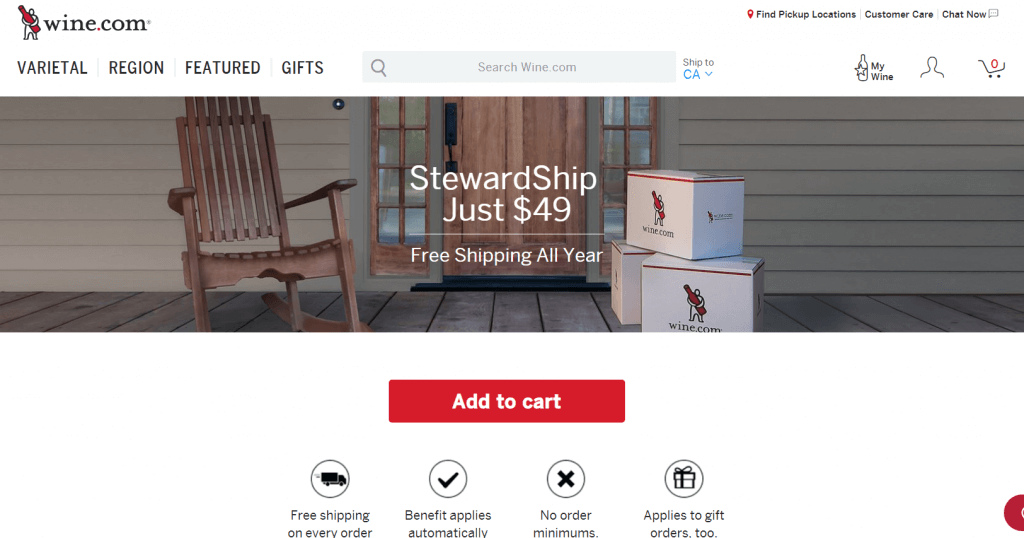
If your customers buy the kind of products you sell frequently, come up with an incentive to keep buying from you—and only you.
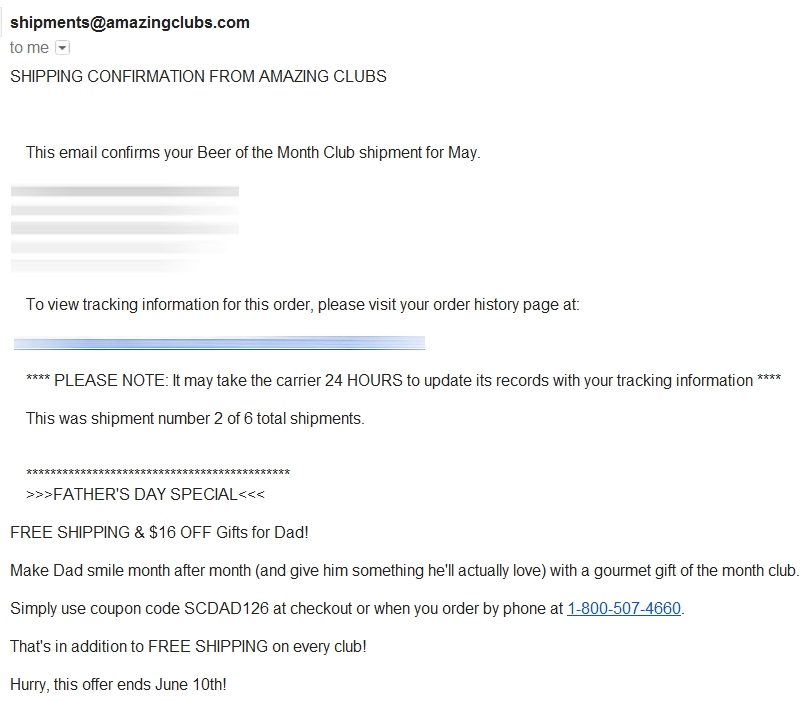
Offer coupons with the order
Do you know the open rate of transactional emails? Three times higher than commercial emails.
So when customers place an order with you and receive the “Thank you for your purchase” email, make sure you include some marketing in that email, like a coupon code.
They just completed an order, so they probably won’t buy immediately. coupon code with an expiry date is a better idea than offering an additional product. (You should have offered that immediate buy opportunity as an upsell during the checkout.)
I bought a gift for a friend, and the confirmation email had a coupon in it:
Save credit card details
I shop on Amazon all the time. The few times when I don’t buy something from Amazon are when I’m after something that Amazon doesn’t have.
Of all the reasons I prefer Amazon, the biggest one for me is that my credit card details are already stored there. If I go buy from an online store I’ve never visited, I have to enter all the payment and shipping details. Annoying.
In recent years, they’ve made it even easier by removing the need for a checkout page altogether:
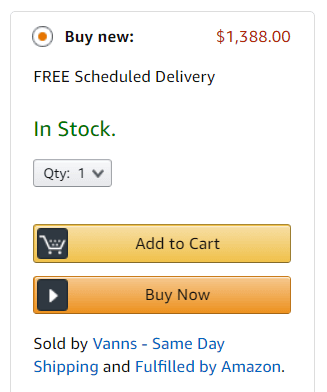
People are inherently lazy. Your job is to make buying from you as easy and convenient as possible.
Customer experience
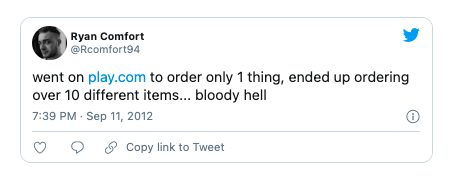
People remember experiences. If the experience your website provided sucked, they won’t come back. Investment in user experience pays off.
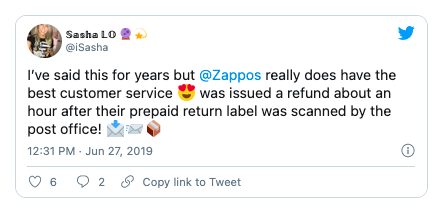
Somebody on Quora suggests that Play.com (now part of Rakuten) provides a great experience. I did a search on Twitter, and it could be true:
Service is the new selling
This is directly related to the last point. Once you get the customers in, provide a superior support and service experience. You can always impress people with excellent service since the average quality of service is very low.
If you provide excellent service, people not only recruit new customers for you, but they’ll be sure to repeat their experience.
Release a new, better model every year
iPhone, anyone?
Conclusion
When trying to increase your sales, don’t forget the other two ways in addition to getting new customers. Optimize for all three ways and enjoy growth thanks to previously untapped opportunities.
Related Posts
-

Somebody asked me the other day, what are all the possible ways to increase the…
-
When trying to boost conversions, whether it’s on a signup screen or a landing page,…
-
Marketing doesn’t end after you've attracted new users to your website. Marketing doesn't end after you've made…
-
A few years ago, I launched a kind of "Groupon deal for musicians." I gave…



Great article, Peep. I wrote about this a while back on my site. Ultimately, I created a quick calculator for you to understand how combining the 3 growth areas doesn’t increase linearly, it will exponentially add to the bottom line. If you’re interested the calculator (spreadsheet) can be found at: http://persuasiontheory.com/exponential-growth-calculator/
I hope I’m not out of line by adding the link. I think you’ll find it compliments what you wrote here. Anyone who wants to grow their business needs to understand how these 3 areas dynamically effect business revenue.
Thanks for another great article Peep – and Matt Fox, that’s a great spreadsheet too – I’ve been looking for something like that for ages. Thanks guys :-)
That’s a great resource, Matt!
Thanks a lot. This is one of my favorite business subjects.
You did an excellent job explaining it.
Excellent article Peep!
It is very useful for first time netpreneurs.
Thanks for excellent resource Mark!
Hi, thanks for sharing your calculator. Reminded me that I had built something a lot cruder but effective, I think, to show the power or small changes. You can see it here https://docs.google.com/spreadsheet/ccc?key=0AlsAadu43THNdG1qbVc0NnkxLUplWWJEQVNEay1vUEE.
Great article Peep!! :-)
Thanks Vlad
Ha ha I’ve never picked up on the Chipotle up sale of guacamole until now. I take’em up on the offer every time I go. Interesting. Thanks for all your great content Peep.
Haha, they’re smooth over there at Chipotle!
great article peep…
very informative and actionable..
thanks..
sam
Jay Abraham 101 baby!
Jay has certainly drawn attention to it, but it was preached also 100 yrs before him :) If we couldn’t write about things that have been written about before, nobody would write a single word. (+ most people have no idea who J.A. is)
This is a great article! Thanks for the info Peep! I really like how you present your point with examples (and images). I like the example about GoDaddy, you visit their site to buy a domain name and they try to sell you a website, an ssl certificate, all domain extensions for your domain name, a shopping cart and so much more. I always wonder if that doesn’t affect their sales.
This is a fantastic, valuable article. Thank you.
Really great article – I’m glad I found it. Even when working on websites is your career, you can forget or overlook some of these things. It’s important to always look to the leaders (Amazon, etc) to see what’s working for them and figure out if/how you can apply that in your own business.
Agreed – Companies often put all their efforts into “collecting” clients, while not investing enough in the offers themselves! the opportunities go to waste and then you wonder “but I have so many clients!”, why is my business not enough profitable?
Please stop writing blog post. These posts make me believe that I am a nerd, dumb and knows nothing about SEO. Your posts are making me sick :(
Awesome mate. Please do not stop. Hope your awesomeness will not stop here :)
Great article. So many good examples that go beyond obvious.
I actually wrote about the concept on my blog (in Croatian) using Reach, Frequency and Yield as terms, but this article gives much better picture about the subject.
The point I want to add here is that companies pay too much for the acquisition of new customers, usually through advertising, before fully exploiting, or even touching other two options. That eventually hurt total lifetime value of the customer and leads to the fail of the project.
Bingo!
Great article!
I just wouldn’t say that those are the ONLY three ways to increase online sales as I see there other two:
– Increase desire: free shipping, discounts, trust seals, great products…
– Reduce effort: less checkout steps, guest checkout, good usability…
Both of them are ways of increasing sales that you all know and I believe wouldn’t fit in the 3 strategies above.
best!
Hey Flavio
The two ways you list are tactics that apply for three ways, but in the end they still increase the number of customers. It’s not a separate “way”.
You are right. Sorry.
Boosting conversions is part of getting more customers.
rgds
I think your point is absolutely valid – we tend to focus on getting new customers and completely neglect existing ones – huge mistake, I know. As many other things in (online) marketing it’s THAT simple. Yet, too few people ever think about it.
I found the 60×60 part of the article invaluable, for I didn’t know the rules of upselling. I believe I now know better how to sell!
Thank you!
Great article but I think there are numerous other ways to increase online sale, anyways good job.
Name one that doesnt fall under these 3 categories.
Hi, Peep Laja!
Thank you very much. I have learn many thing from your post. I am new in online business and I hope your post will help me to bran my site!
Hi Peep Laja,
First of all, Thanks for sharing such a great information.
I found these tips very helpful. I had worked on following your tips and all are really great. I’d like to add one more point here which I experienced ..that is live communication with customers when they land on our website. This is possible by using live chat software. Its affordable and fast communication method. For the live chat, you can have Live2Support live chat on your website.
I agree with your article, so much focus on online selling is put on increasing the number of customers. Some really great examples used here, I think that all businesses, even those who don’t have an e-commerce site can benefit from what you suggest. Thank you for posting!
Fantastic information here. Thank you so much for providing your insights. One question – I own a sucessful niche B2B online store that we started 8 years ago. We’ve grown every year however competition is fierce and growth has slowed. All of your tips make perfect sense however I think only a few will resonate with B2B customers. Many of our buyers are employees and many tend to spend differently than if it was their own money. It seems to me that most of these strategies are focused more on B2C. For example, we have routinely found our customers do not use coupons regardless of how valuable they are. Same goes for upsells, BYGO, special savinggs, etc. Do you have any suggestions more focused on B2B?
Thank you for your consideration
Dave Visco
President
The 5S Store
Hey
Most B2C things apply to B2B as well. More than half the examples in this post are about B2B. Naturally each business is different and there is no one size fits all solution. If your site is http://www.the5sstore.com, then you have a huge growth potential as your site is a very leaky bucket.
serves well
hi , I extremelly like the fundays, I sure wants to work on the above said article.
Thank You
Renna Malhotra
Hi,
Thanks for the info, but I have a question, I am running a Job Portal. Now what should I do on my website so that employer will buy paid subscription or buy resume. Apart from this students can also view study material, so is this a good idea to make the study material paid.
Waiting for reply.
Thanks in advance